
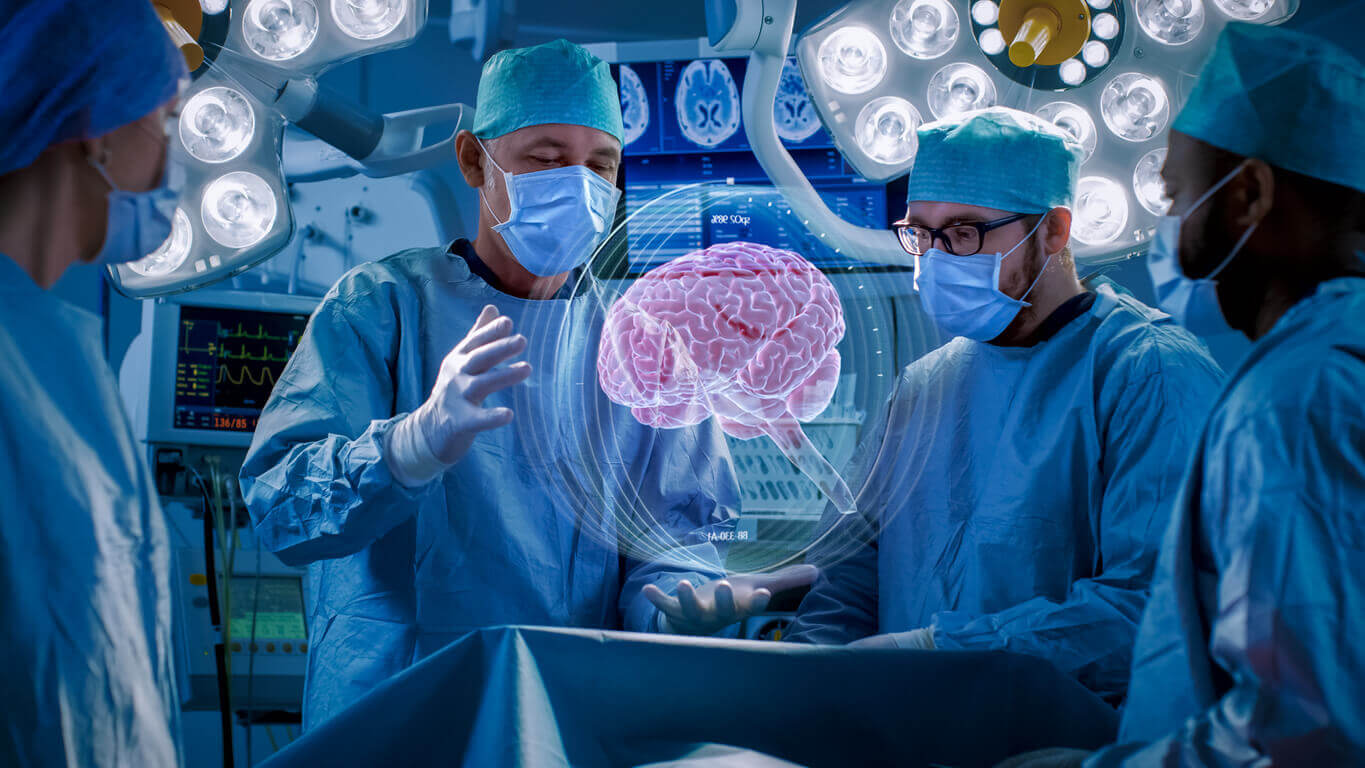
Stroke treatment often depends on rapid decisions, and modern neurosurgical advances now reshape these decisions by offering patients more precise, safer, and faster options that bring new hope during the most critical moments of their lives.
The expanding role of neurosurgery in stroke care
Neurosurgery continues to evolve as new techniques allow specialists to address stroke damage more effectively, and many patients benefit from approaches that reduce complications and speed recovery. According to our editor’s research, clinicians increasingly combine imaging technologies with surgical planning to understand stroke patterns in greater detail. This combination helps specialists determine which interventions offer the highest benefit with the least risk. As methods improve, patients gain access to treatments once considered too complex or unavailable. These developments highlight how innovation shapes outcomes in powerful ways. The growing integration of technology supports more personalized decision-making for each case.
The importance of minimally invasive techniques
Minimally invasive neurosurgical methods play a major role in modern stroke care because they reduce tissue disruption and improve recovery experiences. Surgeons now use smaller entry points to reach affected vessels, and this reduces bleeding, discomfort, and long-term complications. As a result of our editor’s reviews, many experts note that patients treated with minimally invasive approaches often regain strength and mobility faster. These techniques shorten hospital stays by limiting the physical stress placed on the body during surgery. Smaller instruments and enhanced visualization tools allow surgeons to work with more precision. This precision supports safer and more successful outcomes across a wide range of stroke types.
The impact of advanced imaging technologies
Advanced imaging tools shape neurosurgical planning by revealing detailed maps of brain tissue, blood flow, and vessel integrity. These images help specialists see how strokes develop and how quickly surrounding areas respond. According to our editor’s research, high-resolution imaging guides crucial decisions by showing which regions remain salvageable. This information directs surgeons toward the most effective intervention with improved accuracy. Imaging innovations also support early detection of subtle changes that once went unnoticed, allowing treatment to begin sooner. Faster insights help protect vital brain functions when time matters most. These tools continue to transform how teams respond to emergencies.
The evolution of mechanical thrombectomy devices
Mechanical thrombectomy devices remove clots from blocked vessels with impressive precision, and improvements in design allow these tools to reach deeper and navigate complex vessel pathways safely. Surgeons use catheters equipped with advanced capture systems to retrieve clots cleanly. As a result of our editor’s reviews, specialists report better outcomes for patients treated quickly with modern thrombectomy devices. These instruments increase the chances of restoring blood flow before major damage occurs. Their flexibility helps reduce the risk of vessel injury during the procedure. These evolving designs help save brain tissue that might otherwise be lost.
The growing promise of endovascular neurosurgery
Endovascular neurosurgery allows surgeons to treat strokes through delicate pathways inside blood vessels, using tools guided by imaging to target the affected area precisely. This method reduces the need for open surgery and supports faster patient recovery. According to our editor’s research, endovascular procedures play a significant role in both ischemic and hemorrhagic stroke care. Specialists can address clots, weak vessel walls, and abnormal connections without large incisions. These interventions help preserve brain tissue by improving accuracy and reducing procedural stress on the patient. As these techniques improve, their use becomes more widespread and accessible.
The role of stent technology in vessel repair
Stents reinforce weakened vessel walls and support healthy blood flow, especially in cases where structural instability threatens future complications. Surgeons deploy stents through guided pathways, placing them precisely where reinforcement is needed. As a result of our editor’s reviews, specialists indicate that modern stents provide greater durability and flexibility than earlier models. These improvements reduce the risk of collapse or shift after placement. Patients benefit from enhanced stability that supports long-term vessel function. These devices continue to evolve as materials and designs become more advanced, strengthening their role in stroke prevention and treatment.
The significance of aneurysm management innovations
Aneurysm treatment now benefits from tools designed to protect delicate vessels and prevent dangerous bleeding. Neurosurgeons use coils, flow diverters, and customized devices to address aneurysms safely. According to our editor’s research, flow diverters represent one of the most promising innovations because they redirect blood away from weakened vessel segments. These tools help stabilize the region and allow natural healing processes to strengthen tissue over time. Coiling techniques also remain widely used because they fill aneurysm spaces without harming nearby areas. These innovations reduce rupture risk and support better patient outcomes.
The rise of robotic assistance in neurosurgery
Robotic systems offer steady precision during complex procedures, helping surgeons navigate narrow vessels with improved confidence. These systems enhance control by stabilizing movements and enabling detailed adjustments. As a result of our editor’s reviews, experts highlight that robotics allow greater consistency during delicate operations. Robotic arms can maintain accuracy even when vessels shift slightly during procedures. This stability reduces stress for both surgeon and patient. Robotics also support training by offering simulation environments that help teams practice complex steps safely.
The advantages of intraoperative monitoring
Intraoperative monitoring provides real-time feedback on brain function, helping surgeons make informed decisions throughout the procedure. Sensors track electrical activity, blood flow, and tissue response to interventions. According to our editor’s research, monitoring tools help protect critical brain areas by alerting surgeons when adjustments are needed. This immediate information helps avoid unintended damage and maintains focus on preserving vital functions. Patients benefit from improved safety as surgeons respond quickly to changing conditions. These tools continue to evolve with greater sensitivity and accuracy.
The integration of artificial intelligence in stroke care
Artificial intelligence supports neurosurgical decision-making by analyzing imaging patterns, predicting risks, and identifying subtle changes that may influence treatment steps. AI tools process large amounts of data quickly and highlight insights that assist clinicians. As a result of our editor’s reviews, many specialists note that AI helps reduce diagnostic delays by identifying urgent cases faster. These systems help predict stroke progression and guide the timing of interventions. While AI does not replace clinical judgment, it supports more informed decisions that benefit patient outcomes.
The importance of postoperative recovery strategies
Postoperative care shapes long-term outcomes by helping patients regain strength and adjust to changes after treatment. Recovery plans include physical therapy, cognitive exercises, and careful monitoring of neurological function. According to our editor’s research, structured rehabilitation often improves independence and enhances quality of life. Early movement supports healthier circulation, while cognitive activities help rebuild attention and memory. Specialists design personalized recovery plans that focus on gradual progress. These strategies support long-term healing by engaging both body and mind.
The future direction of neurosurgical stroke treatment
Future innovations will continue to refine precision, reduce invasiveness, and expand access to advanced care. Experts expect improvements in imaging speed, navigation accuracy, and biomaterial design. As a result of our editor’s reviews, early research suggests that targeted molecular therapies may one day pair with neurosurgical tools to enhance healing. These developments point toward a future where stroke treatment becomes even more personalized. The merging of technology and surgical expertise continues to reshape possibilities for patients. Advances highlight how quickly the field progresses each year.
The growing importance of early intervention awareness
Public awareness influences stroke outcomes by encouraging faster response times and earlier access to neurosurgical options. Recognizing early signs helps people seek help quickly. According to our editor’s research, rapid action often determines whether advanced tools can be used effectively. Early arrival allows teams to evaluate options and begin treatment during the most critical window. Families and communities play a major role in helping individuals reach care faster. Awareness continues to support improved outcomes across regions.