
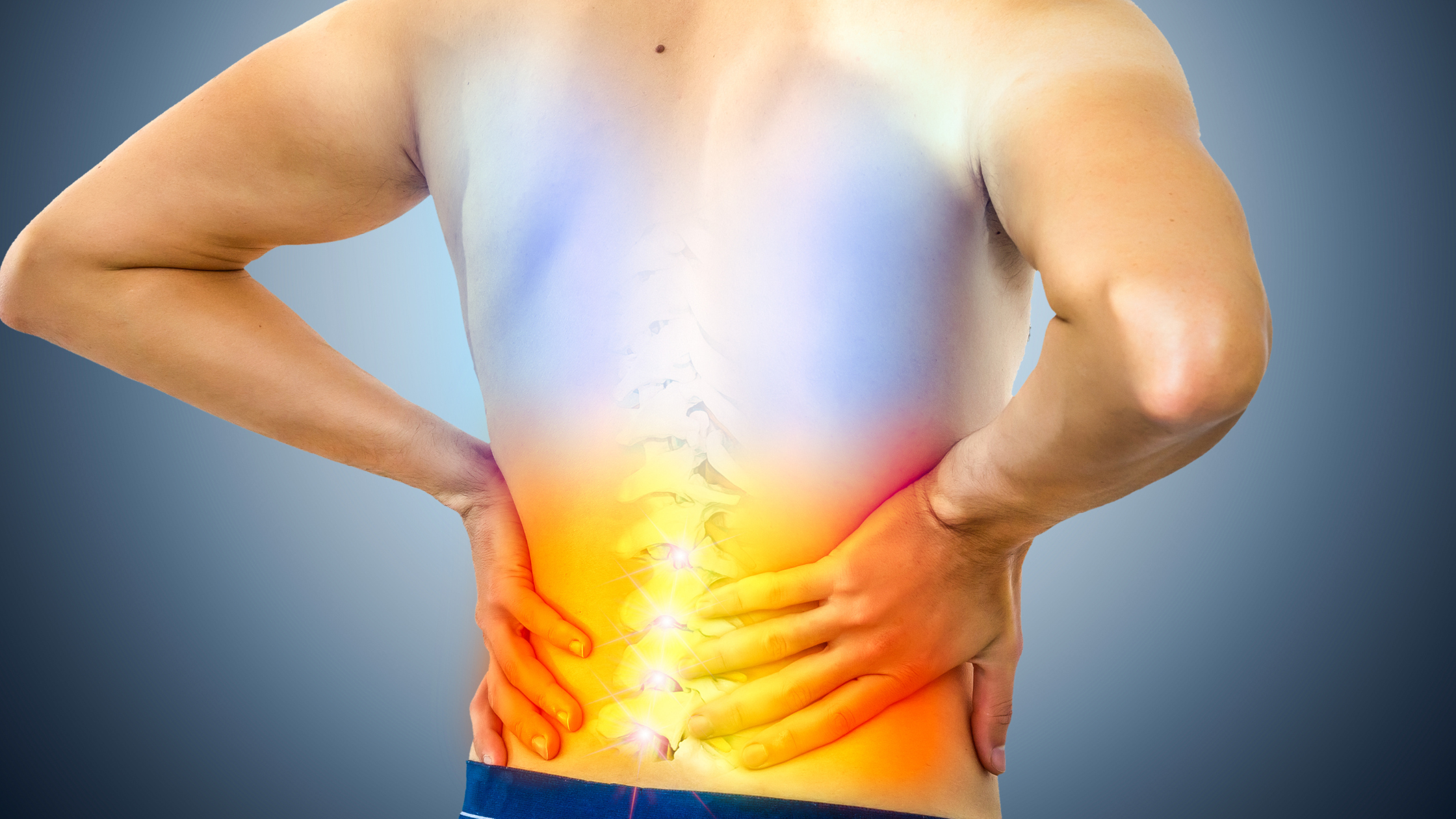
The transition of acute, temporary back discomfort into a persistent, chronic state is a complex clinical puzzle, one that rarely yields a single, neat diagnosis. Instead of arising from a uniform cause, chronic back pain typically involves a confluence of structural deterioration, mechanical strain, and lifestyle factors that, over time, compound to create a persistent nociceptive signal. Pinpointing the precise origin is often challenging because the spine’s intricate anatomy allows for a multitude of potential pain generators, ranging from the intervertebral discs and facet joints to the surrounding muscles and ligaments. It’s critical to move beyond the notion of a simple ‘slipped disc’ and appreciate the systemic, long-term processes that underpin this widespread ailment. The following explores the most frequent contributors to this debilitating condition, emphasizing the degenerative and mechanical forces at play.
…chronic back pain typically involves a confluence of structural deterioration, mechanical strain, and lifestyle factors that, over time, compound to create a persistent nociceptive signal.
The slow, inevitable process of degeneration within the spinal column stands as a primary structural driver of chronic back pain, affecting millions as they age. This process, often grouped under the umbrella term of Spondylosis or Osteoarthritis of the spine, is characterized by the gradual thinning and wearing away of the cartilage that cushions the facet joints, which link the vertebrae. As this protective cartilage diminishes, the bones begin to rub directly against each other, leading to inflammation, stiffness, and the formation of bony growths known as osteophytes or bone spurs. These spurs, in turn, can encroach upon the space surrounding the nerve roots and the spinal canal, creating a condition known as spinal stenosis, which may generate persistent, aching pain and compromise nerve function.
…These spurs, in turn, can encroach upon the space surrounding the nerve roots and the spinal canal, creating a condition known as spinal stenosis, which may generate persistent, aching pain and compromise nerve function.
Intervertebral disc pathology represents another deeply rooted source of chronic discomfort, evolving from a combination of age-related moisture loss and mechanical stress. The spinal discs, which function as critical shock absorbers between the vertebral bodies, are comprised of a tough outer ring, the annulus fibrosus, and a soft, gelatinous center, the nucleus pulposus. Over decades, the water content within the nucleus naturally decreases, rendering the disc less pliable and less effective at distributing compressive forces—a phenomenon referred to as degenerative disc disease. This loss of structural integrity makes the disc more vulnerable to mechanical failure; a sudden movement or sustained pressure can cause the nucleus to bulge or push through a tear in the outer ring, resulting in a herniated disc. This displaced material can then mechanically compress or chemically irritate nearby spinal nerve roots, leading to radiating pain, numbness, and weakness known as radiculopathy, or more specifically, sciatica in the lower back.
…This displaced material can then mechanically compress or chemically irritate nearby spinal nerve roots, leading to radiating pain, numbness, and weakness known as radiculopathy, or more specifically, sciatica in the lower back.
The intricate relationship between occupational demands, habitual posture, and spinal loading constitutes a significant, often overlooked, mechanical contributor to chronic pain development. Modern lifestyles, particularly those involving prolonged periods of sitting or highly repetitive movements, place undue and unbalanced stress on the spinal structures. Sustained poor posture—such as slumping or hunching forward—alters the natural curvatures of the spine, increasing the axial load on the intervertebral discs and hyper-stretching the ligaments and muscles. In office environments, inadequate workplace ergonomics often exacerbate this problem, promoting muscle fatigue, strain, and spasms that transition from acute annoyance to a chronic pain cycle. For individuals whose jobs require frequent heavy lifting, twisting, or vibration exposure, the cumulative micro-trauma accelerates disc and joint wear, setting the stage for long-term pain syndromes.
…In office environments, inadequate workplace ergonomics often exacerbate this problem, promoting muscle fatigue, strain, and spasms that transition from acute annoyance to a chronic pain cycle.
While the majority of chronic back pain cases originate within the vertebral column, a critical subset arises from extra-spinal musculoskeletal sources, necessitating a careful diagnostic differentiation. Myofascial Pain Syndrome (), for example, involves the development of hyper-irritable spots, or trigger points, within the taut bands of skeletal muscle, often secondary to chronic strain or repetitive injury. These trigger points can generate pain that is locally tender but also refers, or radiates, in predictable patterns to distant areas, frequently mimicking true nerve root compression. Another common non-spinal culprit is Piriformis Syndrome, where the piriformis muscle, situated deep in the buttock, becomes tight or spasms, potentially irritating or compressing the adjacent sciatic nerve and producing symptoms almost indistinguishable from a true lumbar radiculopathy caused by a disc herniation.
…Another common non-spinal culprit is Piriformis Syndrome, where the piriformis muscle, situated deep in the buttock, becomes tight or spasms, potentially irritating or compressing the adjacent sciatic nerve…
The systemic presence of inflammation, often subclinical, contributes substantially to the persistence and severity of many chronic back conditions. Degenerative processes like facet joint arthritis and disc herniation do not cause pain solely through mechanical means; the resulting tissue damage releases inflammatory chemical mediators, such as cytokines, which sensitize nearby nerve endings, lowering the pain threshold. Beyond localized inflammation, certain systemic inflammatory conditions, such as Ankylosing Spondylitis (a form of arthritis primarily affecting the spine) or Rheumatoid Arthritis, can directly cause chronic back pain. These autoimmune processes lead to pathological inflammation and eventual fusion of the vertebral segments, resulting in progressive stiffness and chronic, unremitting discomfort that requires a fundamentally different therapeutic approach compared to mechanical pain.
…The systemic presence of inflammation, often subclinical, contributes substantially to the persistence and severity of many chronic back conditions.
Body composition and overall metabolic health exert a profound, indirect influence on the biomechanics and longevity of the spinal structures. Excess body weight, particularly visceral fat accumulated around the trunk, significantly increases the compressive load on the lumbar spine, accelerating the wear and tear on discs and facet joints. This increased pressure exacerbates degenerative changes and heightens the risk of disc herniation. Furthermore, conditions associated with poor metabolic health, such as Type 2 Diabetes, can lead to subtle but chronic nerve damage (neuropathy) and compromised circulation, which may contribute to persistent back pain. Osteoporosis, characterized by decreased bone mineral density, does not typically cause chronic pain unless it results in a vertebral compression fracture, but it is an age-related factor that modifies the risk profile for catastrophic spinal injury.
…Excess body weight, particularly visceral fat accumulated around the trunk, significantly increases the compressive load on the lumbar spine, accelerating the wear and tear on discs and facet joints.
Less commonly, chronic back pain can be an indicator of underlying visceral pathology, a form of referred pain that originates in a distant organ but is perceived in the back due to shared neural pathways. For instance, conditions affecting the kidneys, such as kidney stones (nephrolithiasis) or a kidney infection (pyelonephritis), often manifest as flank or lower back pain. Similarly, certain gastrointestinal issues like acute pancreatitis, or gynecological conditions like endometriosis or pelvic inflammatory disease, can present with back pain as a primary symptom. While these causes are rare in the overall context of chronic back pain, their exclusion is critical, as they represent serious conditions requiring prompt and specialized medical intervention. This diagnostic challenge necessitates a detailed patient history to look for associated ‘red flag’ symptoms, such as unexplained weight loss, fever, or changes in bowel/bladder function.
…For instance, conditions affecting the kidneys, such as kidney stones (nephrolithiasis) or a kidney infection (pyelonephritis), often manifest as flank or lower back pain.
The psychological dimension, encompassing stress, anxiety, and emotional distress, is inseparable from the experience of persistent pain, transforming it into a chronic condition. While psychological factors are rarely the initiating cause of structural back pain, they can powerfully modulate its perception, severity, and duration. Chronic stress and anxiety increase muscle tension, which can exacerbate underlying musculoskeletal issues and perpetuate the pain-spasm-pain cycle. Furthermore, chronic pain itself can lead to depression, sleep disturbance, and fear-avoidance behaviors, where individuals restrict activity out of fear of pain, which then leads to deconditioning and further physical vulnerability. This complex interplay ensures that effective long-term management of chronic back pain must encompass not just the physical structure, but the full biopsychosocial context of the individual.
…This complex interplay ensures that effective long-term management of chronic back pain must encompass not just the physical structure, but the full biopsychosocial context of the individual.
A holistic and patient-specific approach is crucial for addressing the myriad underlying mechanisms that contribute to the development and persistence of chronic back pain. Successful treatment hinges on accurate diagnosis, often requiring a multifaceted investigation that correlates imaging findings with the patient’s specific symptoms and functional limitations. Strategies must move beyond symptomatic relief to include targeted physical therapy to address core muscle weakness and biomechanical imbalances, ergonomic adjustments to mitigate occupational strain, and, where appropriate, medical interventions to manage inflammation or nerve-related discomfort. Recognizing chronic back pain as a complex interaction between degenerative biology, daily mechanics, and neurophysiological processing is the necessary first step toward sustainable relief and improved quality of life.
…Recognizing chronic back pain as a complex interaction between degenerative biology, daily mechanics, and neurophysiological processing is the necessary first step toward sustainable relief and improved quality of life.
Chronic back pain is a complex bio-mechanical puzzle rooted in disc deterioration, joint inflammation, and sustained daily mechanical overload, demanding an intricate, personalized therapeutic strategy.