
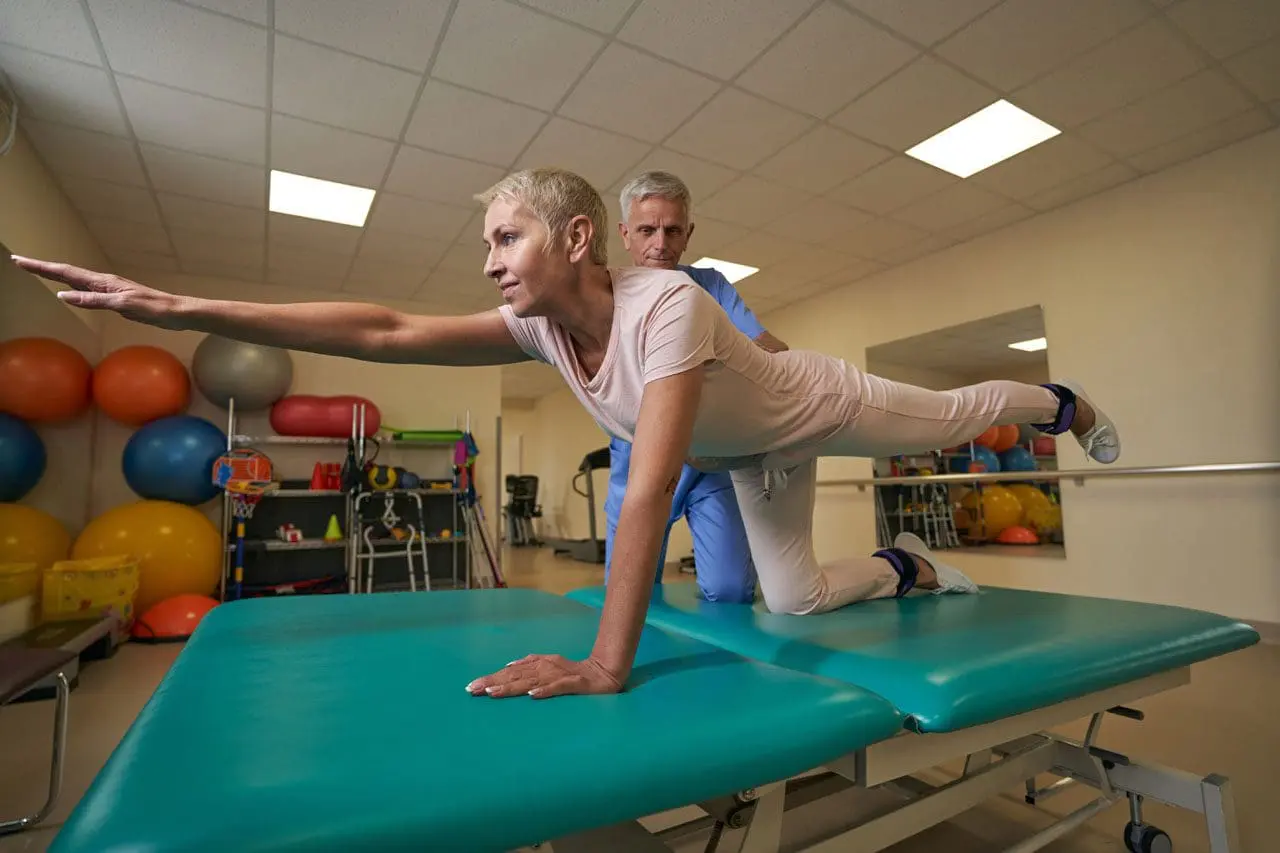
The first week focuses on protection, circulation, and gentle independence. You learn safe bed mobility using a careful log roll every time. Short hallway walks support lungs, bowels, and clot prevention today. Breathing drills reduce pain sensitivity and calm the nervous system. A chair with arms helps controlled sit to stand transfers daily. Pain plans prioritize function while avoiding heavy sedation or fog. Your goal is frequent movement, not heroic distance on day one.
Why does early movement help healing?
Movement improves blood flow to muscles and healing tissues significantly. It reduces stiffness that magnifies pain during ordinary daily tasks. Walking also supports mood and sleep after anesthesia and stress. Gentle motion protects against clots in the legs and lungs. Your therapist sets intervals rather than one exhausting session. Little and often beats long and irregular efforts every time. Consistency matters more than intensity during this fragile phase.
How should pain control support therapy?
Medication timing should match planned walking and exercise blocks. Ice packs calm incisional tenderness and reduce superficial inflammation. Stool softeners protect the back from straining after opioids. Topical patches can help when oral dosing feels too sedating. Discuss nerve pain patterns if burning or shooting symptoms persist. Non-drug methods include paced breathing and guided relaxation techniques. Balanced relief helps you move without masking important safety signals.
What is the neutral spine strategy?
Neutral spine means your trunk stays aligned during daily movements. You hinge at the hips instead of flexing your low back. You brace your deep core gently before every reach or lift. Use the BLT rule to remember: avoid heavy bend, lift, twist. This becomes automatic through repetition during routine household tasks. Choose a raised surface for dressing to limit awkward positions. Protecting alignment today reduces tomorrow’s pain and setbacks.
How do braces fit into recovery?
Some procedures require a lumbar support orthosis for stability. Your team decides duration, hours, and weaning plan carefully. Wear a thin shirt under the brace to protect skin. Check for pressure marks after each session and adjust straps. Do not sleep in a brace unless specifically instructed otherwise. Bracing supplements, but never replaces, your movement training. Comfortable fit encourages steady walking and upright posture daily.
Which walking plan works for most patients?
Start with brief indoor walks several times each day. Add minutes every one or two days based on comfort. Flat surfaces reduce tripping risk while pain levels fluctuate. Choose supportive shoes with secure traction during early weeks. Carry nothing, because loads distort posture and strain tissues. Use a timer or app for gentle, reliable pacing cues. Stop before exhaustion, not after pain spikes or dizziness.
What core exercises are safe early on?
Begin with diaphragmatic breathing to engage trunk stabilizers gently. Practice pelvic tilts while lying to find comfortable spinal alignment. Add transversus abdominis activation using quiet belly draw techniques. Glute squeezes support the pelvis during standing and steps. Ankles pump to promote circulation and reduce swelling effectively. Heel slides test controlled hip motion without spinal strain. All repetitions remain slow, smooth, and easily conversational throughout.
How do you protect nerves during rehab?
Nerve irritation can produce tingling, shooting pain, or numbness. Symptoms may fluctuate as inflammation settles around healing tissues. Report new weakness, saddle numbness, or bladder changes urgently. Gentle nerve glides might be introduced when swelling subsides. Your therapist grades tension to avoid aggravating sensitive structures. Nighttime pillows under the knees reduce traction on healing roots. Comfortable positions buy you extra energy for daytime activity.
What about posture while resting or sitting?
Choose a chair with firm seat, mid-height back, and arms. Keep feet flat and hips slightly above knee level. Shift position every thirty to forty minutes without fail. Stand to read messages rather than slumping over phones. Use a small lumbar roll to support natural curves. For sleeping, side lying with pillow between knees reduces torsion. Short, regular breaks prevent stiffness from snowballing into pain.
Which milestones matter between weeks two and six?
Walking distance increases while pain medications taper down. You rebuild errands like meal prep and light dish care. Gentle household chores act as functional endurance training. Therapy progresses to hip hinge patterns for safe lifting. Balance drills protect against missteps on stairs or curbs. Core endurance replaces brute strength as your main priority. You should feel steadier, not necessarily faster, each week.
How do different surgeries change the plan?
Microdiscectomy often allows quicker bending and sitting tolerance. Laminectomy emphasizes posture and walking endurance over heavy loads. Fusion demands stricter attention to BLT restrictions and bracing. Hardware requires predictable alignment during every daily movement. Posterior cervical procedures watch for shoulder blade control early. Artificial disc patients often regain motion sooner with guidance. Your surgeon’s protocol customizes limits, goals, and progression timing thoughtfully.
When is it safe to return to driving?
Driving needs comfortable sitting, quick braking, and clear focus. You must be off sedating medications before touching the wheel. Practice seated tolerance at home to estimate trip comfort. Start with short, smooth routes during non-rush hours first. Use a small lumbar roll to maintain spinal alignment. Pause for walking breaks during longer rides to reduce stiffness. Ask your team for individualized clearance after a quick check.
What signals deserve urgent medical attention?
Fever, wound drainage, or increasing redness require prompt evaluation. New calf swelling or sudden breathlessness can signal clots. Progressive leg weakness suggests nerve compression needing attention. Uncontrolled pain despite medication changes needs reassessment immediately. Loss of bladder or bowel control mandates emergency care. Severe nighttime pain unrelieved by rest also deserves review. Your safety beats every daily rehab target without question.
How can setbacks be managed without panic?
Flares happen when activity outpaces tissue readiness temporarily. Respond with shorter walks, gentler drills, and more frequent rests. Apply ice for brief sessions to calm superficial irritation. Resume progression slowly once baseline comfort returns again. Review recent lifts, chores, or long drives for triggers. Adjust tomorrow’s plan to respect those new body signals. Setbacks teach pacing, not failure, during complex healing seasons.
What does a safe strengthening phase include?
Strengthening focuses on hips, glutes, and deep trunk stabilizers. Bridge progressions train posterior chain without spinal shearing forces. Quadruped arm or leg reaches refine stability under light challenge. Sit-to-stand practice sharpens mechanics for daily independence. Light resistance bands guide scapular and core coordination safely. Each repetition remains slow, controlled, and essentially pain free. Volume increases only if form remains clean and confident.
How do work and sport returns unfold?
Plans consider job demands, commute time, and break options. Desk roles resume sooner with good ergonomics and frequent walks. Manual labor requires staged reloading and protective training blocks. Runners reintroduce intervals after walking endurance looks solid. Golfers rebuild rotation using hips before spine participates. Swimmers start with gentle backstroke to avoid heavy neck strain. Criteria, not calendars, should drive each return decision.
What daily habits support long term success?
Hydration improves tissue elasticity and energy through the day. Protein intake supports healing muscles and remodeling collagen. Fiber and fluids reduce straining that aggravates back pain. Short mindfulness sessions lower pain amplification and reactivity. Sunlight walks anchor sleep timing and circadian rhythm regulation. Consistent bedtime rituals consolidate memory and reduce pain sensitivity. These small habits compound into large, durable gains over months.
Why do sleep and mood influence recovery?
Poor sleep increases pain perception and slows tissue repair. Anxiety magnifies muscle tension and reduces movement quality. Wind down with dim lights and quiet breathing before bedtime. Avoid late caffeine that disrupts sleep architecture and recovery. Gentle morning light sets a steady circadian anchor daily. Share worries with your team to prevent avoidable spiral effects. Rested minds move better, and better movement eases pain.
How should scars and skin be cared for?
Keep the incision clean, dry, and observed daily for changes. Follow dressing instructions exactly as provided by your team. After clearance, gentle scar massage can improve mobility locally. Use fragrance-free moisturizers around, not on, healing edges. Protect the area from direct sun during early months. Watch for warmth, discharge, or widening that suggests problems. Report concerns early to stay ahead of complications.
According to our editor’s research, what improved adherence most?
According to our editor’s research, people succeed with written daily checklists. They log pain before and after sessions to guide smart adjustments. Phone timers reduce missed walks when energy dips during afternoons. A visible water bottle encourages sipping during long errand days. Shoes placed by the bed cue gentle morning movement immediately. A tidy hallway clears tripping hazards during early groggy walks. Simple cues beat motivation when recovery feels overwhelming sometimes.
As a result of our editor’s reviews, which tools help?
As a result of our editor’s reviews, seat wedges improved sitting tolerance. Lumbar rolls helped drivers during early errands across town. Cold packs with soft covers prevented skin irritation after sessions. Elastic bands offered portable resistance without heavy gym equipment. A small step stool protected backs during kitchen prep tasks. Shower chairs saved energy and reduced slips on tired days. These tools reduce friction so good habits actually happen.
What should you ask your therapist today?
Which movements match my procedure and healing timeline best? How can I brace without over-tensing my neck and shoulders? What walking schedule balances endurance and daily life demands? Which signs mean I should stop and call the clinic? How will we progress from activation to functional strength safely? When can I start light hobbies like gardening or dancing? What home adjustments could immediately reduce pain during chores?
How do you prepare your home before surgery?
Place essentials at waist height to avoid awkward bending. Arrange a clear path for nighttime bathroom trips without hazards. Choose a firm chair with arms near your favorite spot. Set up meal basics that require minimal lifting or reaching. Gather ice packs and clean pillowcases for easy rotation. Organize medications with labels and a simple daily chart. Preparation shrinks stress and speeds independence after discharge.
Where does supervised therapy add special value?
Complex fusions benefit from close, skilled movement coaching. Balance issues or falls history require targeted neuromuscular training. Significant fear can freeze progress without supportive graded exposure. Chronic pain patterns need careful pacing and flare planning. Return-to-work programs align conditioning with actual job tasks. Athletes require sport specific reloading to manage rotational forces. Supervision keeps progress safe, steady, and personally meaningful.
What metrics can guide your daily plan?
Track step counts alongside perceived exertion each evening. Note sit tolerance length before discomfort demands a break. Record morning stiffness minutes to watch inflammation trends. Log sleep hours and wake frequency across the week. Write the highest daily pain and the lowest pain level. Note which activities produce delayed soreness the next day. These numbers inform smarter adjustments without guesswork or frustration.
How do you protect progress during travel?
Plan stretch breaks every forty-five to sixty minutes when seated. Pack a lumbar roll and soft neck pillow for positioning. Choose aisles for easy standing during long flights or buses. Lift luggage with a hip hinge and exhale during effort. Use rolling bags instead of backpacks during early recovery. Resume your walking plan the first day after arrival. Travel becomes manageable with forethought and consistent pacing.
Which myths can safely be ignored?
Myth one says pain indicates damage in all cases. Sometimes pain reflects sensitivity, not structural failure alone. Myth two says bed rest heals backs most efficiently. Extended rest weakens stabilizers and worsens stiffness quickly. Myth three says bracing alone guarantees perfect protection. Braces assist alignment, but training builds lasting resilience. Clarity replaces fear when evidence shapes daily decisions.
When can strength training feel truly normal again?
Most patients shift toward fuller strength between months three and six. Fusion patients progress more gradually with surgeon approval milestones. Loads increase when movement quality stays crisp across repetitions. Compound patterns like squats return with shallow depth initially. Hinges prioritize hip motion while the spine remains steady. Rotational training returns carefully for golfers and racquet sports. Better form today prevents tomorrow’s flares and interruptions.