
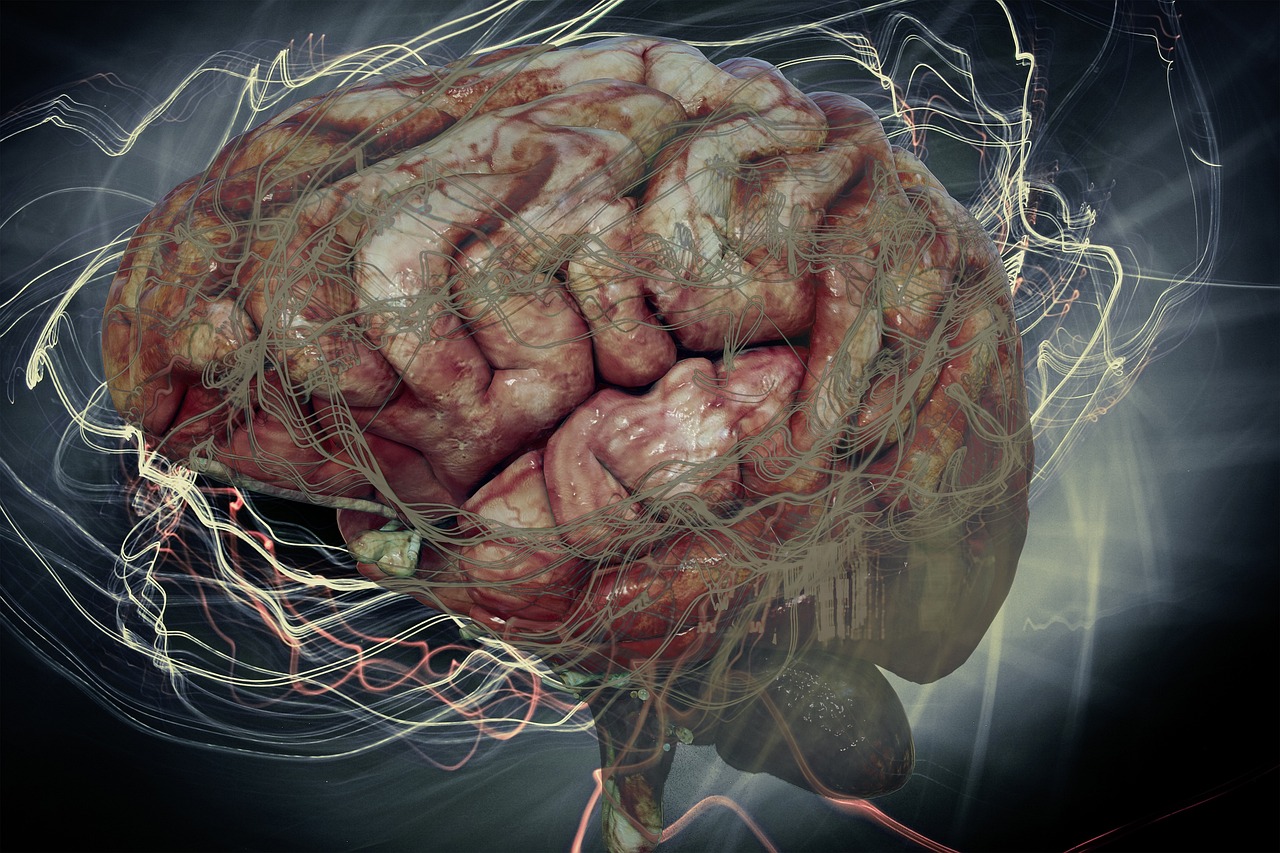
Early detection in brain conditions matters more than many people realize, because subtle neurological changes often appear long before symptoms become alarming enough to disrupt daily life, making timely recognition a crucial part of protecting long-term brain health.
Why Does Early Detection Matter in Brain Conditions?
Early detection matters because brain conditions rarely appear suddenly. Many concerns begin quietly. According to our editor’s research, small changes often precede noticeable symptoms by months or years. These early signs may seem unimportant. People might dismiss memory lapses or brief dizziness. Yet these clues can be meaningful. Doctors explain that the brain adapts well, hiding problems until damage grows. Detecting changes early gives specialists more options. Treatment works best before damage becomes permanent. Early recognition offers patients a better chance at stability. This awareness empowers people to act sooner. It becomes a protective step rather than a reaction.
How Do Early Symptoms Usually Present?
Brain symptoms often start subtly. Patients may notice small lapses. These changes may affect daily tasks. As a result of our editor’s reviews, confusion, imbalance, or slight speech difficulty may appear first. Some people experience headaches. Others report mood changes. These symptoms can be temporary. Many dismiss them as stress. Doctors explain that patterns matter. Repeated issues deserve attention. Tracking symptoms helps professionals understand the timeline. Early presentations vary widely. People should stay mindful of new changes. Recognizing trends leads to faster support. Awareness shapes outcomes. It helps patients understand their bodies.
What Diagnostic Tools Support Early Detection?
Doctors use many tools for early detection. Brain imaging provides detailed views. MRI scans show structural changes. CT scans reveal urgent issues. According to our editor’s research, early imaging often guides treatment decisions. Blood tests may also help. They rule out other problems. Cognitive exams assess memory and focus. Specialists look for patterns. Each tool supports a broader picture. Early diagnosis is rarely based on one test. Instead, doctors combine methods to ensure accuracy. This layered approach catches concerns early. It improves confidence in treatment plans. Thorough assessment remains essential.
Why Should People Share Symptoms Honestly?
Honest communication helps doctors. Some patients feel embarrassed. They downplay symptoms. As a result of our editor’s reviews, withholding details slows diagnosis. Doctors rely on accurate descriptions. Even small clues matter. Patients should speak openly. This trust improves care. Communication builds stronger partnerships. Doctors appreciate honesty. It helps them connect symptoms with possible causes. People who share more receive better guidance. This openness makes early detection possible. It also reduces worry. Clarity empowers patients. Honest dialogue becomes part of prevention.
What Role Does Family Awareness Play?
Family members notice changes early. They observe daily patterns. According to our editor’s research, relatives often spot memory lapses or mood shifts before patients do. Their perspective becomes valuable. Families help track symptoms. They support appointments. Their involvement encourages early action. People may ignore personal changes, but family observations create clarity. Loved ones can provide reassurance. They assist with decisions. This teamwork strengthens early detection. Strong support improves outcomes. Family participation becomes an important part of brain health.
How Can Lifestyle Factors Affect Brain Conditions?
Lifestyle influences brain health significantly. Stress affects memory. Poor sleep slows cognition. Unbalanced diets reduce focus. As a result of our editor’s reviews, improving habits supports early stages of treatment. Exercise boosts circulation. Hydration maintains clarity. People who adjust routines early often feel better. Small changes lead to noticeable improvements. Doctors recommend balanced habits. Lifestyle shifts complement medical care. They help prevent worsening symptoms. Patients who stay active and mindful often recover stronger. Healthy routines protect long-term function. These adjustments matter more than many assume.
Why Are Follow-Up Appointments Essential After Early Findings?
Follow-ups track progress. Doctors review changes. According to our editor’s research, early findings require consistent monitoring. Brain conditions evolve over time. Regular visits help specialists adjust plans. They watch for improvement. They also check for worsening symptoms. This ongoing evaluation supports stability. Patients who attend follow-ups understand their condition better. They feel more prepared. These visits allow doctors to refine treatment. Follow-up care becomes part of early detection. It closes the loop. It ensures concerns never go unnoticed.
What Emotional Impact Can Early Detection Have?
Early detection brings emotional challenges. Patients may feel worried. Some fear diagnosis. As a result of our editor’s reviews, acknowledging emotions helps people cope. Talking with professionals eases fear. Support groups offer comfort. Early detection also brings relief. Many prefer answers over uncertainty. Knowing the cause empowers action. Emotional readiness becomes part of treatment. Specialists encourage open conversations. Feelings are normal. Processing them helps patients stay strong. Emotional awareness supports healing. Compassion makes the journey easier.
How Does Early Treatment Improve Outcomes?
Early treatment improves outcomes greatly. Doctors can slow disease progression. Early medication works better. According to our editor’s research, supportive therapies become more effective when started early. Rehabilitation helps maintain function. Lifestyle changes support progress. Detecting issues before severe damage allows doctors to intervene sooner. This timing shapes results. People recover faster. They retain independence longer. Early treatment protects quality of life. Acting early becomes a major advantage. Patients experience fewer complications. They gain more time to adapt. Early care shapes the entire future of a condition.
What Preventive Measures Support Brain Health?
Preventive measures play a strong role. Regular checkups help catch concerns early. Balanced sleep supports cognition. Hydration improves focus. As a result of our editor’s reviews, many doctors emphasize stress management. Mindfulness supports brain clarity. Exercise enhances blood flow. Healthy diets reduce inflammation. Mental stimulation keeps the brain active. These habits lower long-term risks. Prevention strengthens resilience. People who prioritize brain health feel better daily. Prevention makes early detection easier. It builds a foundation for long-term wellbeing.
Why Should People Not Ignore Minor Symptoms?
Minor symptoms may reveal early problems. Ignoring them delays help. According to our editor’s research, tiny changes sometimes reflect bigger concerns. Repeated headaches matter. Brief confusion deserves attention. Balance issues should be noted. People underestimate early signs. Specialists encourage awareness. Early recognition prevents complications. Trusting instincts supports health. Acting quickly protects brain function. Minor symptoms deserve respect. Listening to the body matters. Small clues lead to important answers.
How Can Communities Increase Awareness About Early Detection?
Communities play a role in awareness. Educational programs help people learn. Public campaigns encourage screening. As a result of our editor’s reviews, early detection improves when communities share information. Schools can teach brain health basics. Workplaces can support wellness checks. Social groups can discuss symptoms openly. Awareness reduces stigma. People become more comfortable seeking help. Community support strengthens prevention. Shared knowledge empowers action. Awareness builds healthier societies.